Malian researchers visit ITT (2025)
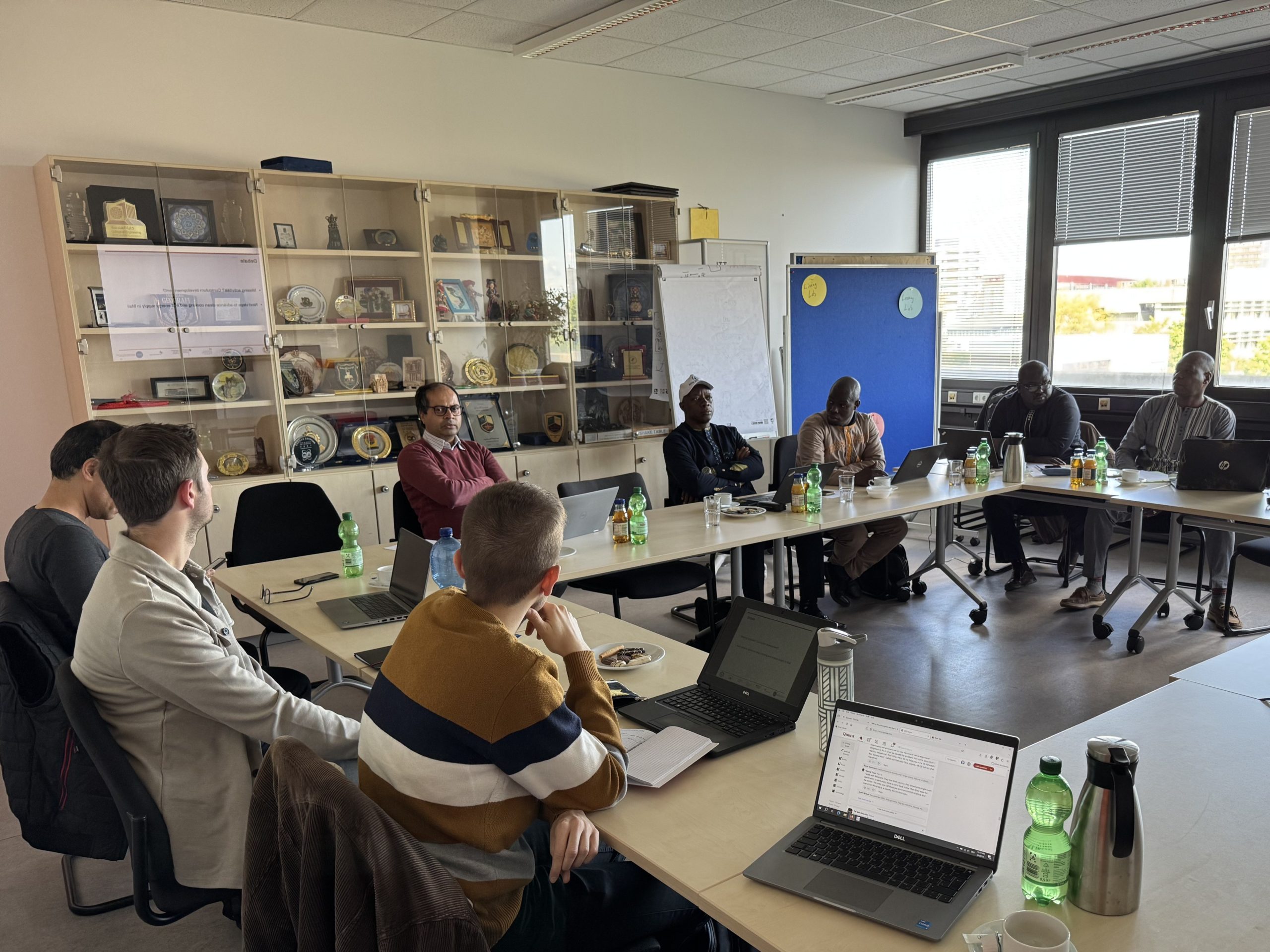
In May 2025, professors and researchers from USTT-B and IPR/IFRA visited the TH Köln. The objective of the visit was to discuss the results of the C-COOK-MALI project, enhance knowledge exchange by participating in a Master’s course seminar, and carry out various field visits to energy companies. These energy visits were planned to showcase examples of the energy transition in Germany, providing insights into future prospects for improving clean energy access in Mali.
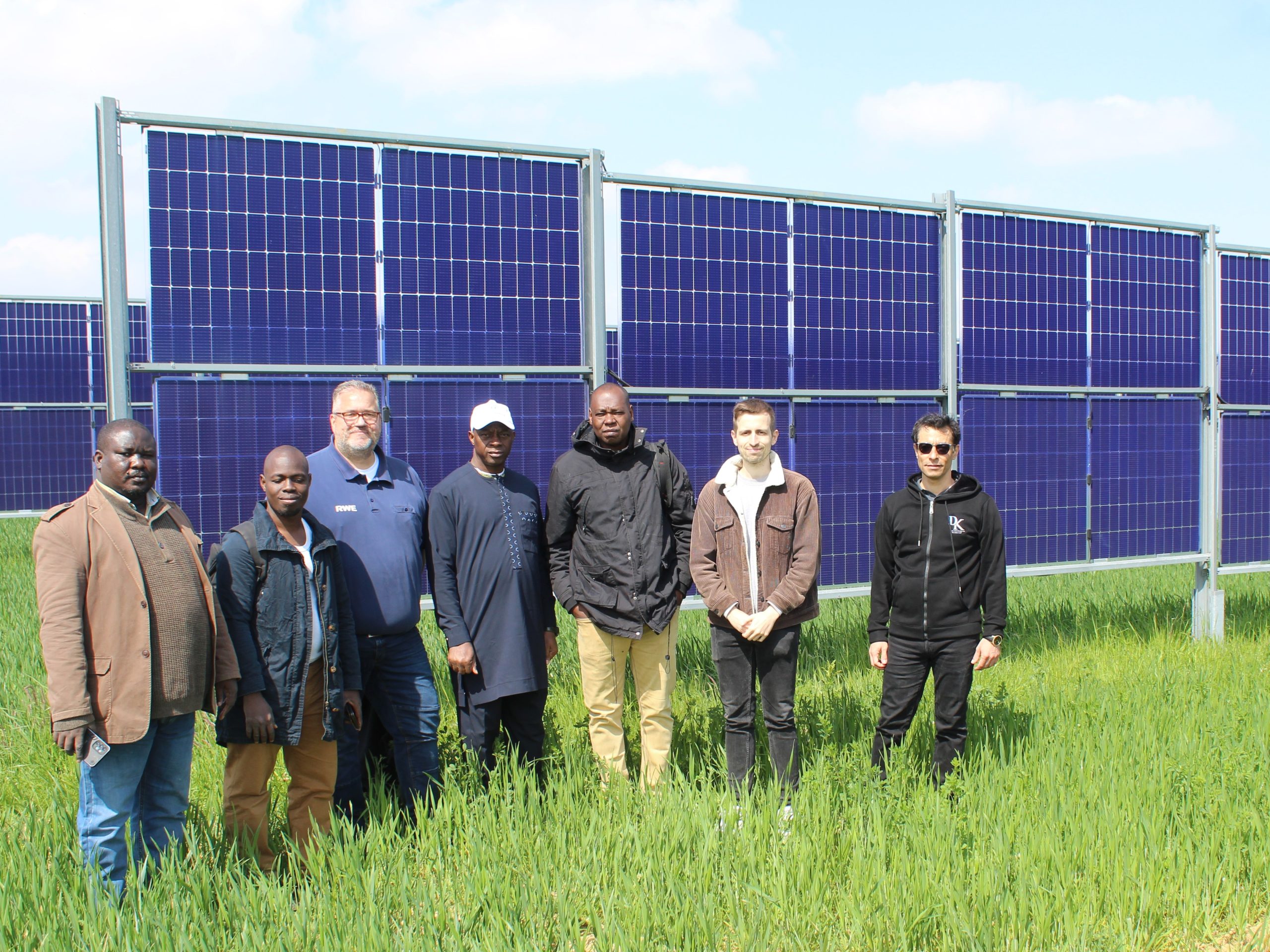
By bus the delegation of TH Köln, USTT-B and IPR/IFRA travelled to Garzweiler. A first stop was made on the view platform above the pit mine of Garzweiler. From there the delegation went on to the agri PV research site, built and operated by RWE. The research plant consists of three different types of agri PV systems. A vertical system, a horizontally tilted and fixed system, and a horizontally movable system. The peak power of all three systems adds up to 3.2 MW. Different crops are cultivated below and between the mounting structures of the agri PV systems. The experiments being performed on the research site deal with the yield of the crops depending on the shading effects of the PV panels in comparison to sites without shading. Furthermore, experiments on the influence of dust removal from the panels, rainwater collection and the wind attacking the panels are performed. The guests from Mali enjoyed the trip, as many results expected from the research are highly relevant for Mali regarding food and energy security.
The delegation visited the Lippe plant of Remondis, which is one of the biggest recycling plants in Europe. The visit started with an introduction and an overview on which materials are treated in the plant. Afterwards, the plant was visited by bus and several stops were made to see for example the delivered plastics before they are recycled and the huge storage of gypsum received from filters of thermal power plants. The highlight was the stop at the organic waste recycling area. The organic waste collected from the municipalities around is sorted automatically several times to get rid of plastic and too big organic remaints. This fraction cannot be used for the composting and is burnt in one of the two combustions plants powering Remondis Lippe plant and the surrounding municipalities. The other fractions derived from the sorting process, are composted. Furthermore, biogas is generated, stored in a big spherical tank and used in combined heat and power plants and as a fuel for some trucks.
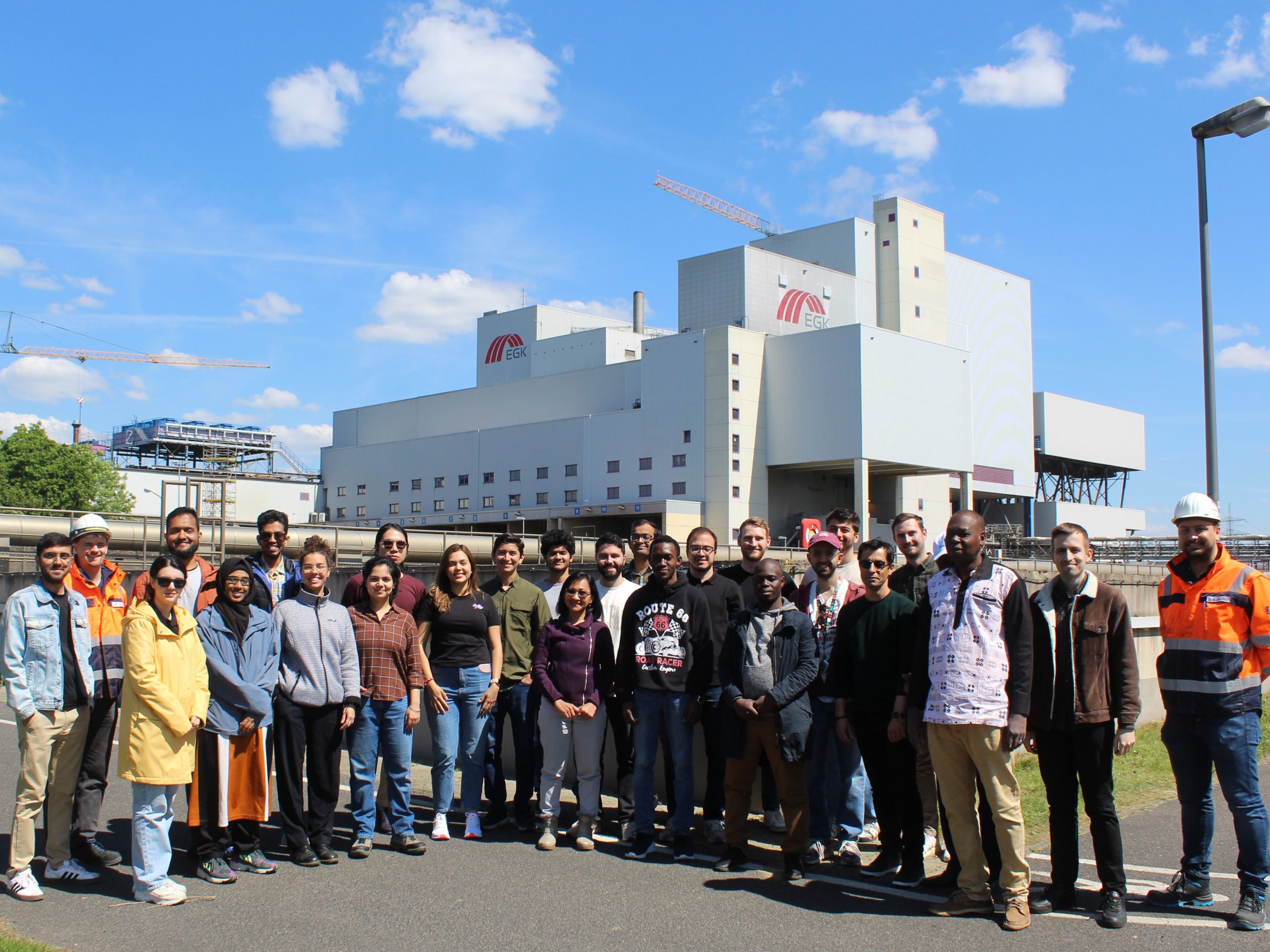
For the visit to the waste combustion plant in Krefeld, the delegation was joined by a group of ITT students. When visiting the waste combustion plant, the different processes were explained. First, the delivery of the waste was shown. The waste is separated into waste with a lower calorific value, waste with a higher calorific value and special waste. Afterwards, the waste is unloaded from the trucks and stacked in a huge storage. Manually operated cranes are bringing the waste from the storage into the combustion chambers, where the waste is continually burned. The heat of the burning process is used for powering steam turbines, that release heat for district heating and generate electricity for the usage in the waste combustion plant and up to 25.000 households. In addition to the waste combustion plant, on the site was also a wastewater treatment plant. The process of separating CO2 from the biogas for yielding highly pure methane was explained. The methane is then feed into the grid. The possibility of visiting the waste combustion plant in Krefeld together with students was great as the Malian professors were able to share their knowledge in the meantime of visiting a modern industrial waste procession plant.