
C-COOK-MALI
Clean alternative solutions to the inefficient cooking-fuel used in Malian kitchens
A key task in ensuring sustainable development lies in an adequate management in the supply system of resources through sustainable circular economy, ideally at local level. Collaborations to address the local problems and to adapt the technologies to local needs present a unique opportunity to bridge the research results with the implementation through education, capacity building and vocational trainings. Thus, overall aim of this project is subcategorized into research, training, education and networking.
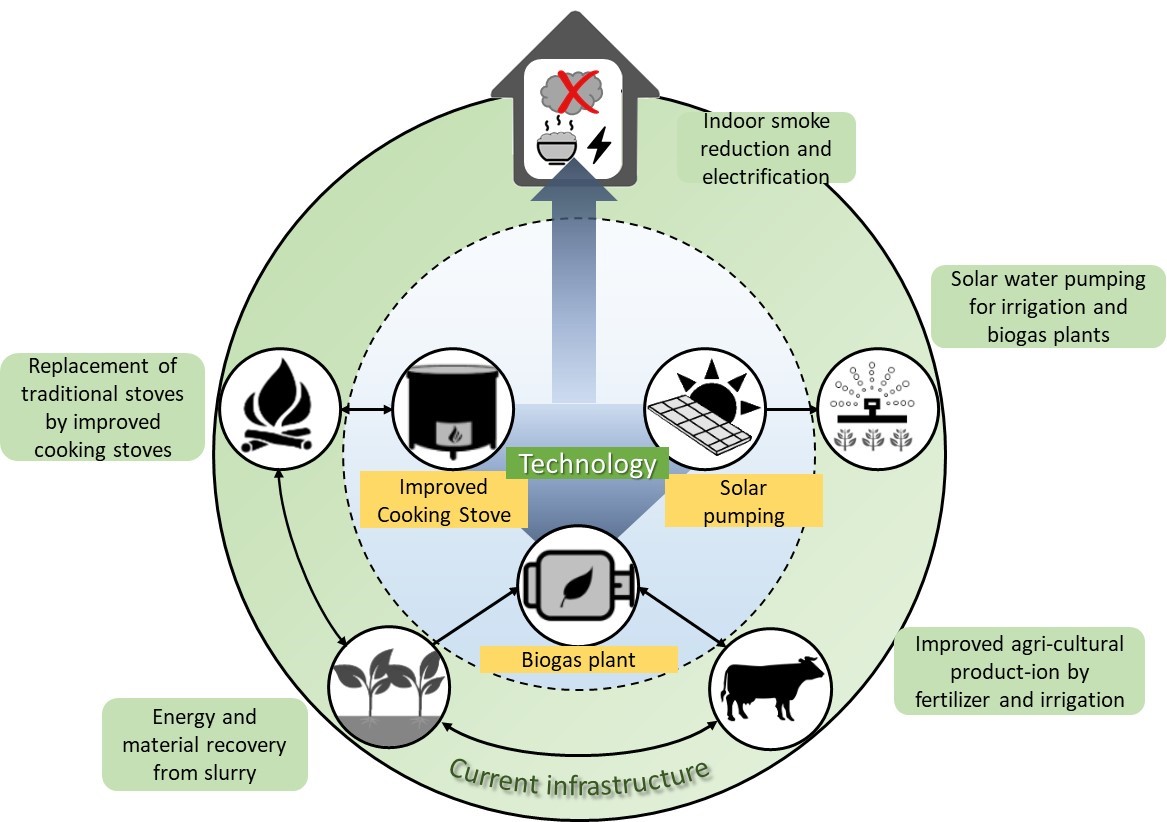
Mali, one of the least developed countries, uses traditional firewood for cooking. The project’s specific scientific objective is to contribute towards clean cooking to ensure the sustainable livelihood of people in Mali. While doing so, the different methodological approaches such as sustainable circular economy, efficient water use and agricultural productivity will be applied to the case study area in Katibougou, Mali.
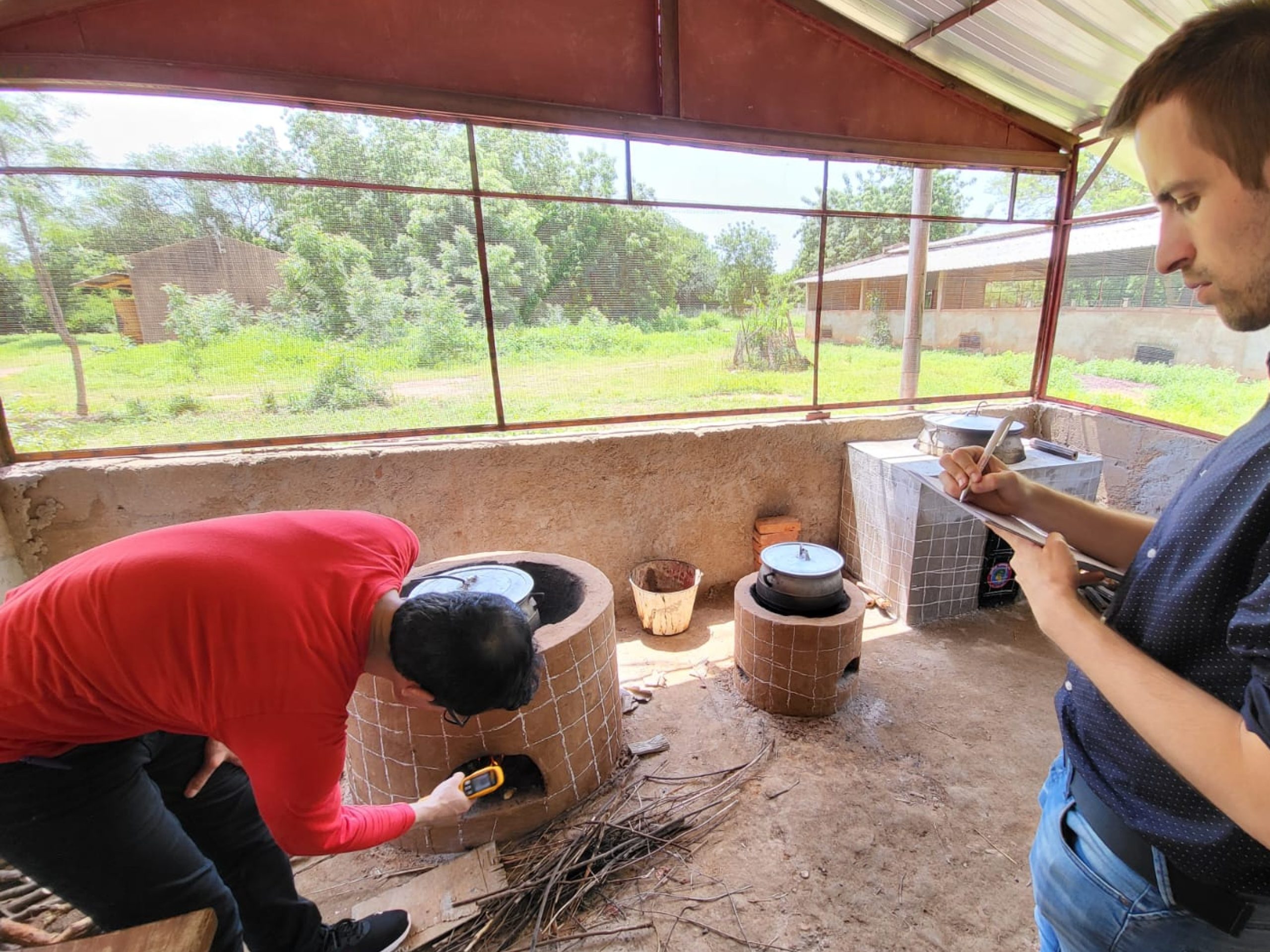
Pilot plants for these appropriate technologies will be installed and tested, which include: improved cook stove, briquetting machine, biogas plant, solar water pump and electric cooking unit.
ACHIEVEMENTS
The C-COOK-MALI project achieved significant progress toward accelerating the energy transition in the Malian cooking sector through the combination of two main pillars: applied research and capacity development. The project contributed to advancing the scientific understanding of clean cooking solutions within the local context while strengthening institutional and individual capabilities to sustain these outcomes beyond the project period.
Research and Pilot Plant Experimentation
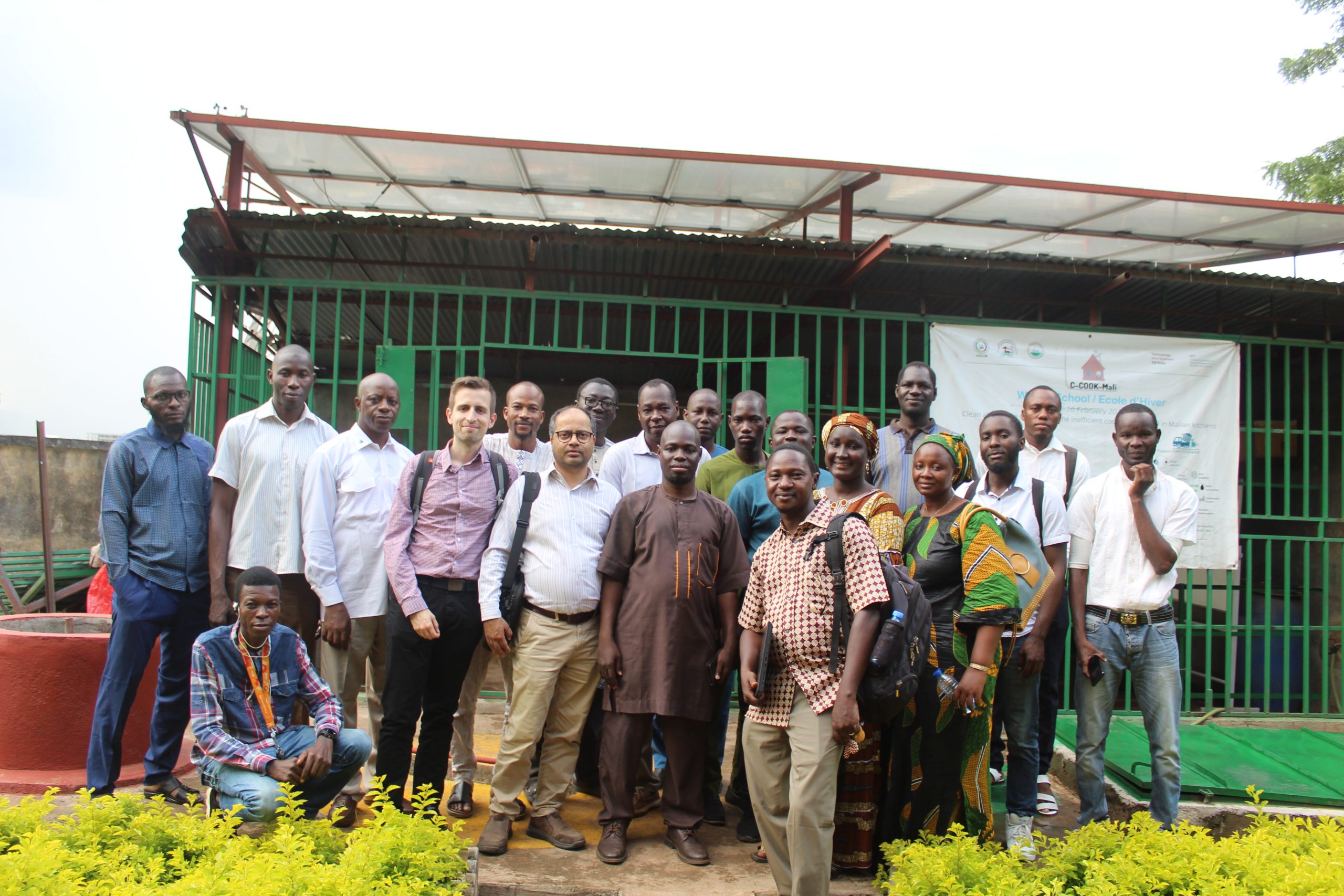
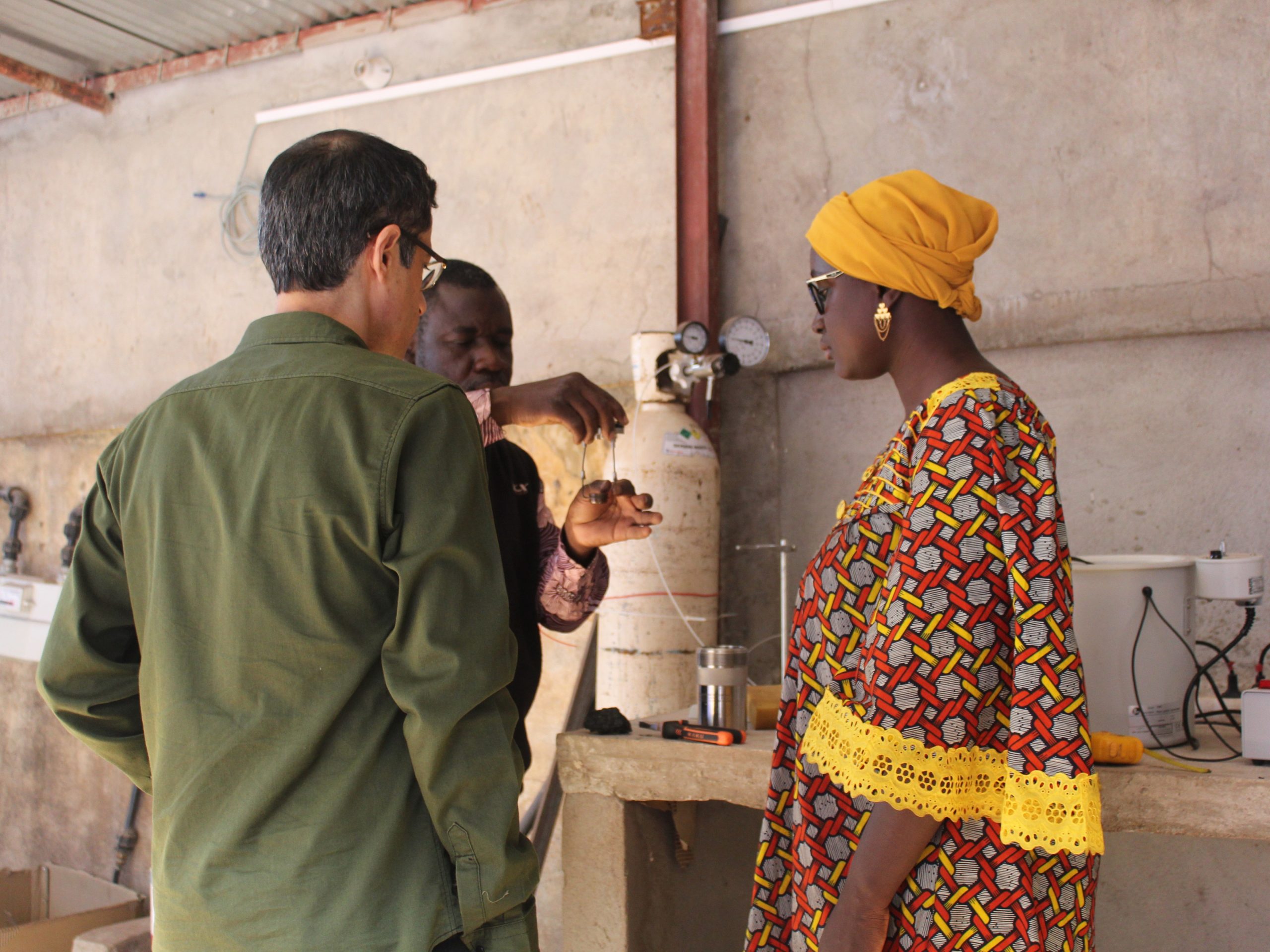
One of the main outcomes of the project was the establishment and operation of two laboratories with pilot plants dedicated to the evaluation of clean cooking technologies. These laboratories were constructed at the IPR/IFRA facilities in Katibougou and at USTT-B in Bamako. At IPR/IFRA, the laboratory included several improved cookstoves (ICS), a briquetting machine, a biodigester connected to a biogas stove, and a solar water pumping system. At USTT-B, a PV electric cooking laboratory was established.
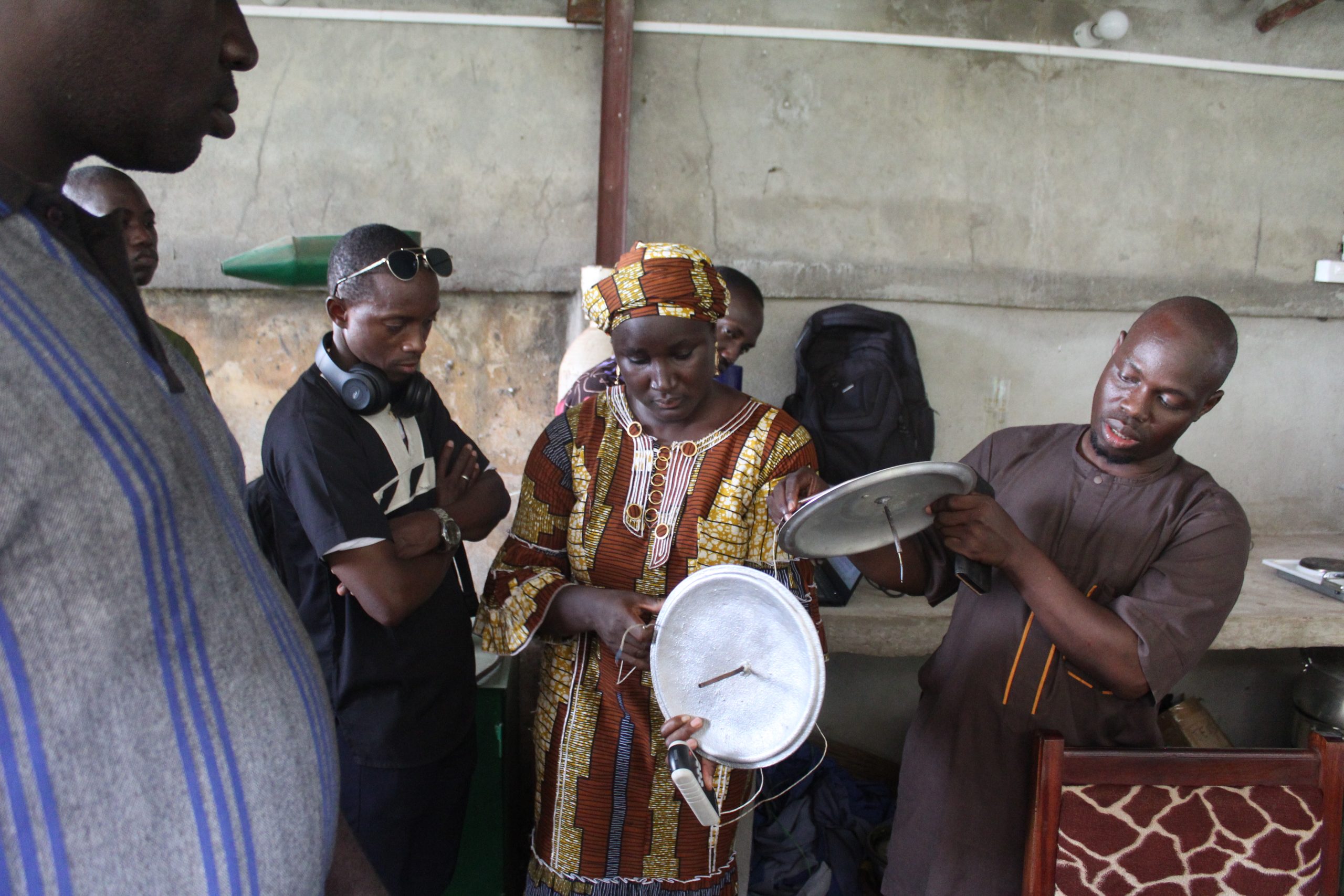
Testing of ICSs demonstrated substantial reductions in fuel consumption and improved safety performance compared to traditional stoves, confirming their relevance for both urban and rural households. Briquetting experiments showed strong potential for transforming agricultural and household residues into cooking fuel, while also revealing challenges related to feedstock availability and fuel competitiveness. The biogas pilot plant demonstrated that small-scale digesters using animal dung can reliably support cooking tasks, improving both efficiency and cooking time, while also producing digestate with measurable benefits for crop productivity. PV electric cooking experiments highlighted efficient, emissions-free operation and strong suitability for small- and medium-sized households, positioning solar electric cooking as a viable long-term alternative. Together, these pilot activities provided evidence-based assessments for future upscaling and policy planning.
Capacity Development
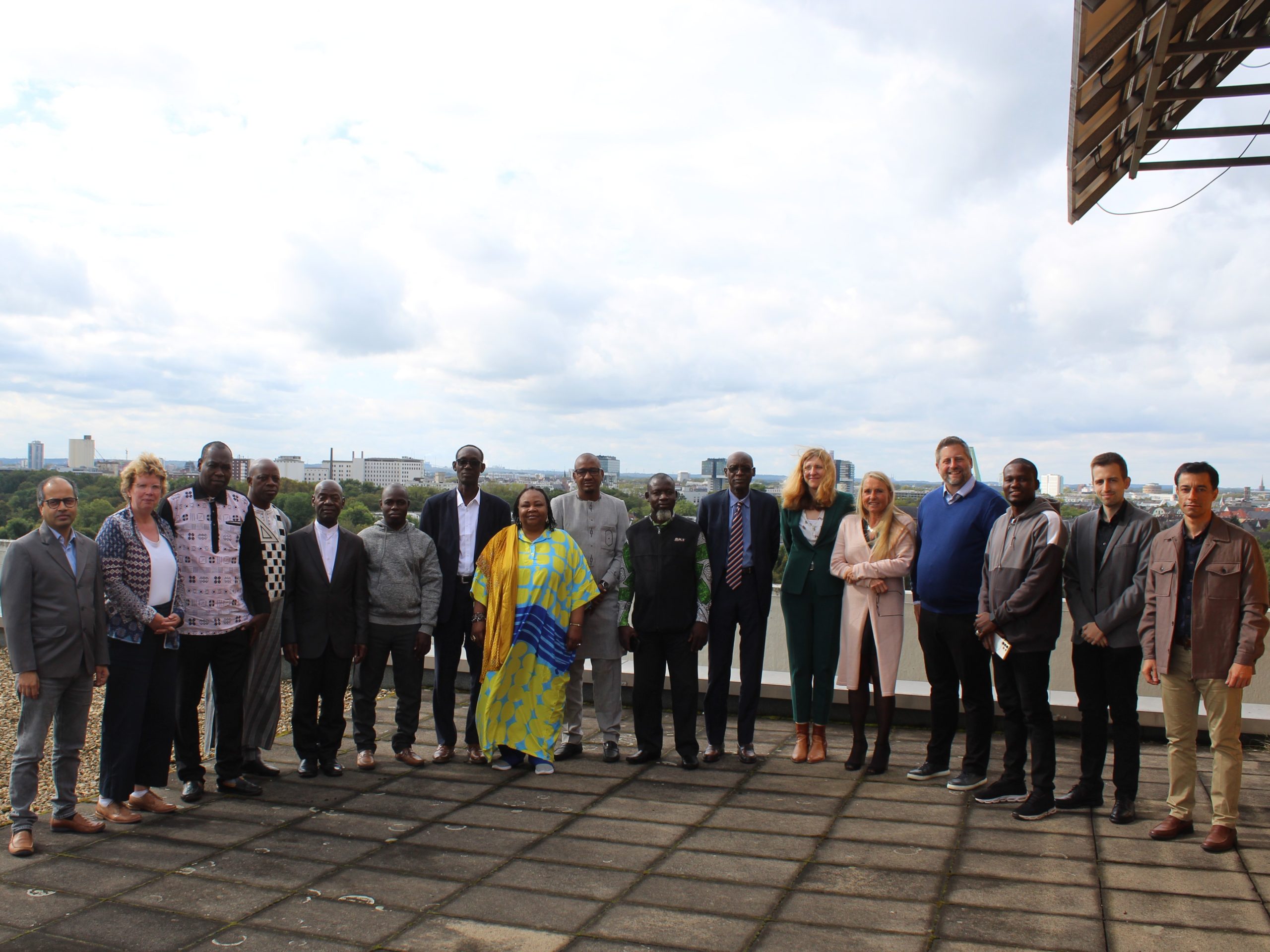
In parallel, capacity development was promoted within the project to strengthen skills, knowledge, and institutional cooperation in Mali. Activities included workshops, in-field and theoretical training sessions, and targeted programs. Examples include the “Train the Trainers” workshop, which equipped researchers and academic staff with practical expertise in clean cooking systems and circular economy approaches. Academic capacity was reinforced through the integration of the project topics into higher education programs, master’s thesis supervision, guest lectures, and laboratory-based learning. The project further supported student mobility and exchange among institutions. Online schools were also provided to Malian students, serving as a platform to increase knowledge on clean cooking technologies and fuels. Institutional networking was strengthened through engagement with ministries, national agencies, NGOs, private-sector actors, and local communities, promoting long-term collaboration around clean cooking solutions.
Partners
ITT
Contact: Prof. Dr. Ramchandra Bhandari
Website:https://www.th-koeln.de/
USTT-B
:metabolon Institut
Contact: Prof. Dr. Christian Wolf
Website:https://www.th-koeln.de/

IPR/IFRA
Contact: Prof. Dr. Yacouba Diallo
Website:http://www.ipr-ifra.edu.ml/
UAM
Contact: Prof. Dr. Rabani Adamou
Website: http://uam.refer.ne/
FUNDED BY
Federal Ministry of Education and Research (BMBF)
Website: https://www.bmbf.de/
DLR Projektträger
Website: https://projekttraeger.dlr.de
German Academic Exchange Service (DAAD)
Website: https://www.daad.de