
ERA-SOLMAB
Energy recovery and cleaner groundwater: techno-economic and environmental assessment of municipal solid waste management in the city of Bamako, Mali
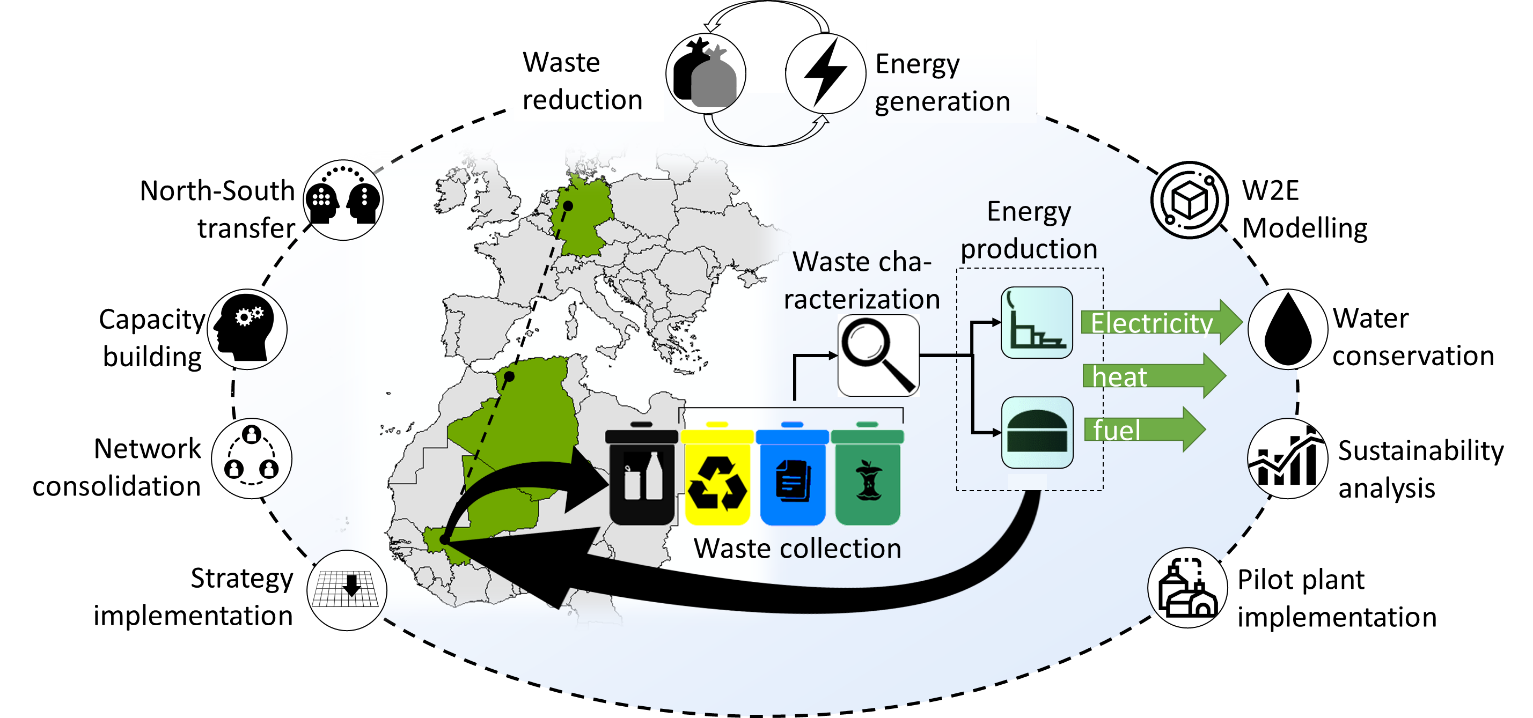
The envisaged project’s theme is the projection of synergy of waste-to-energy in Bamako, Mali. It entails the positive interaction of: (i) waste reduction by means of anaerobic digestion and incineration (ii) and energy provision in the form of a secondary fuel (i.e. biogas) or electricity. This is achieved by iii) presenting the impacts of waste on the local water systems, (iv) a determination of the environmental and socio-economic analysis of waste-to-energy scenarios in comparison to the status quo, as well as (v) the installation and operation of a biogas pilot plant.
MAIN FOCUS
Waste-to-energy
Technological waste-to-energy solutions have been developed in all directions and include thermo-chemical and biochemical technologies such as pyrolysis, gasification, incineration or anaerobic digestion. Industrial sized waste incineration and biogas plants represent proven technologies. Incineration units display the most widely used waste-to-energy technology around the world, but they are only sporadically applied in low-income countries. A skillful operation and management of waste holds the potential to reduce the emissions/pollution and increases the efficient energy recovery. In this project the waste to energy recovery routes will be analyzed for a selected site within Bamako municipality using the techno-economic and environmental assessment methods.
ACHIEVEMENTS
The ERA-SOLMAB project helped advance knowledge on solid waste management and waste-to-energy (WtE) solutions in Mali through experimental research and field data collection. The project began by addressing a major structural barrier in Bamako: the absence of reliable data on the quantity, composition, and handling of municipal waste. To overcome this, waste bins were delivered to the facilities of the University of Sciences, Techniques and Technologies of Bamako (USTT-B) to improve the sorting of organic and inorganic waste. This supported a broader waste characterization campaign in which the project team analyzed daily waste generation and determined average physical compositions. Complementary surveys were conducted among students and households to understand waste management practices at the residential level. Together, these activities provided a detailed picture of waste flows and enabled the mapping of collection practices and transport routes. In this regard, scenarios for optimized waste collection in Bamako were developed by combining field data with geospatial insights from the surveys and routing assessments.
Building on these insights, the project established a biogas pilot plant at USTT-B to experimentally evaluate anaerobic digestion under local conditions. The pilot plant processed organic waste and enabled controlled testing of parameters such as biogas yield and methane content. The resulting data demonstrated the feasibility of producing biogas from locally available substrates while also revealing operational constraints, such as variability in substrate quality and significant water needs. Parallel tests characterized the produced digestate, assessing its potential use as an organic fertilizer for agriculture. These results contributed to a broader evaluation of how WtE technologies could support clean energy production while improving soil fertility. In addition to biogas, ERA-SOLMAB explored other WtE pathways, including composting and incineration scenarios, integrating techno-economic assessments with environmental modelling.
Beyond research, the project contributed to strengthening local capacity through the participation of project partners in targeted training activities, workshops, guest lectures, and online schools. These initiatives provided platforms for academic exchange and knowledge transfer regarding waste management and WtE practices in the Malian context. In parallel, the project also emphasized networking and institutional collaboration, engaging stakeholders such as government agencies, NGOs, and private companies.
Overall, ERA-SOLMAB created a strong scientific foundation for sustainable waste management and WtE development in Mali. Through its combination of field data, laboratory research, pilot-scale experimentation, and institutional cooperation, the project delivered essential evidence and infrastructure to support future innovation, policy development, and the implementation of cleaner and more efficient waste treatment strategies in the country.
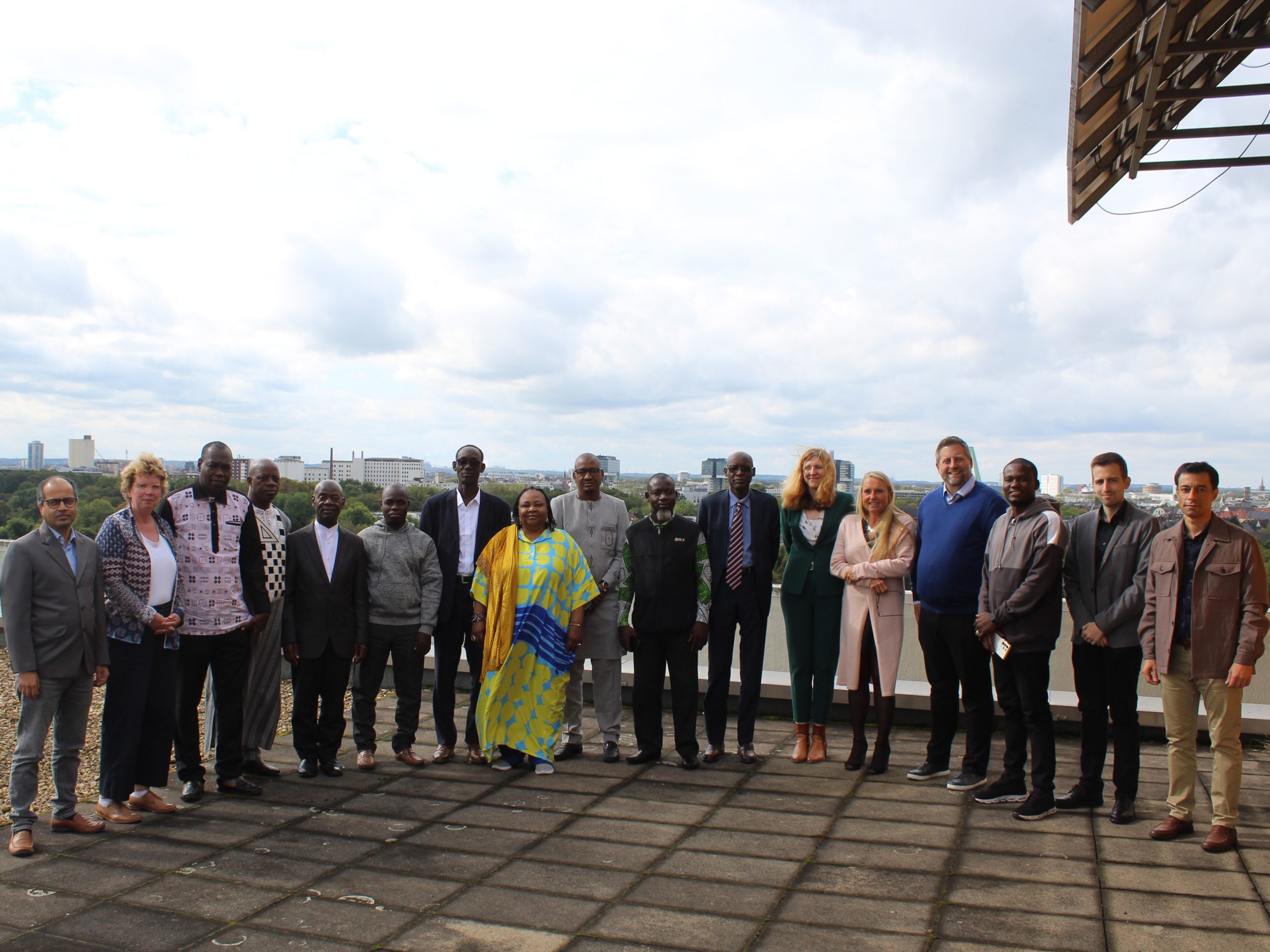
Networking at Workshop in Cologne
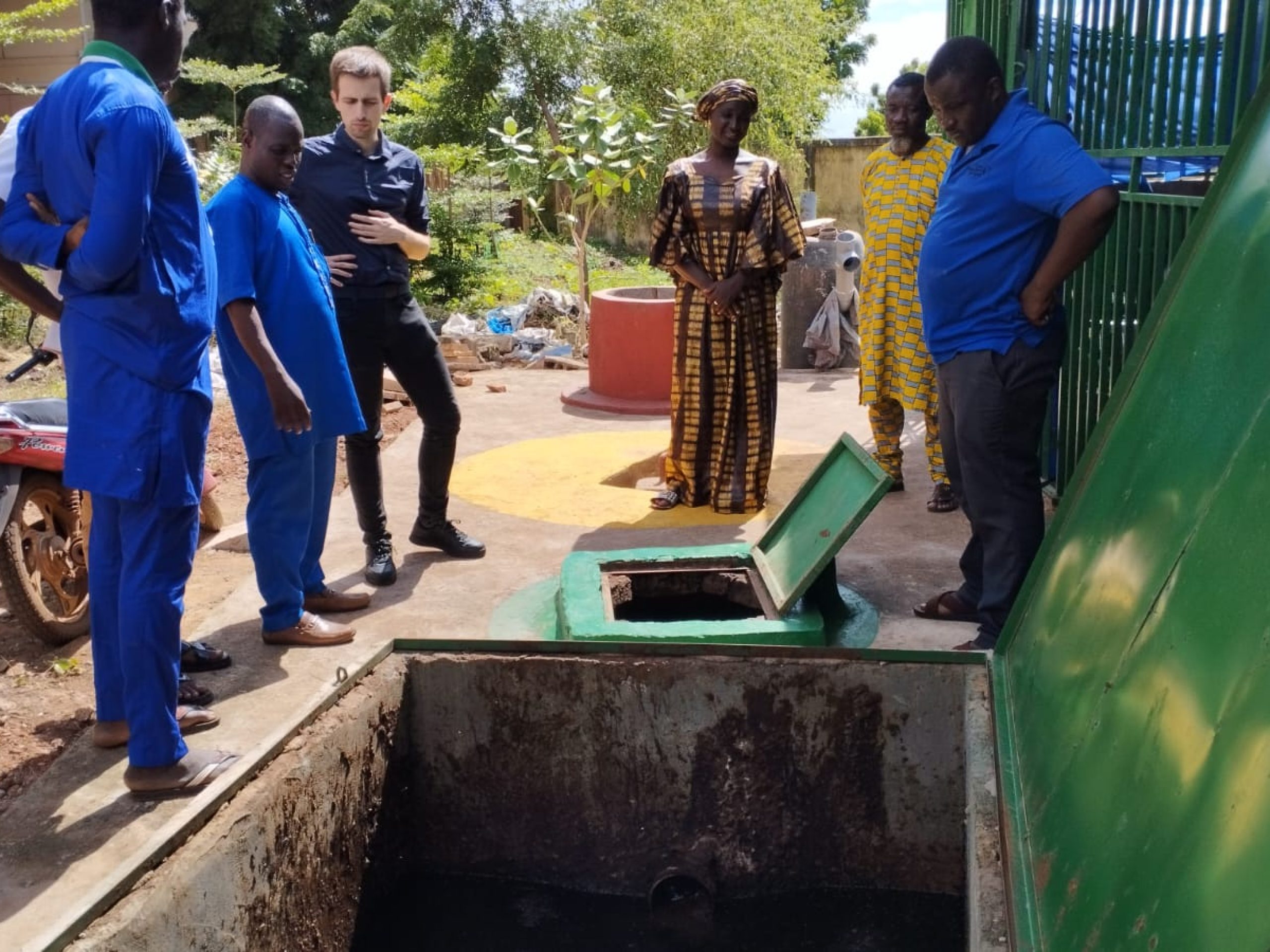
Visit of biogas pilot plant during operation
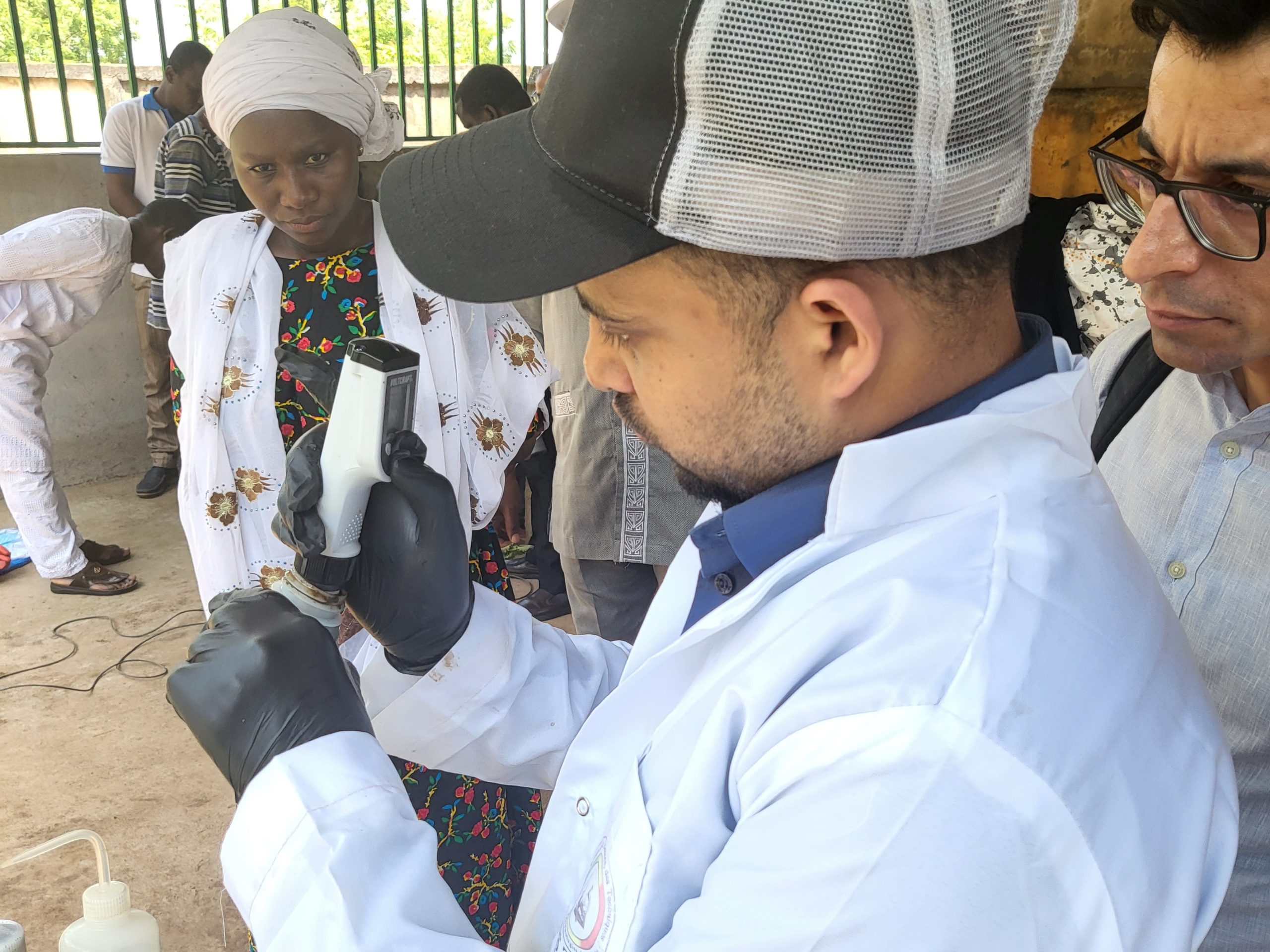
Training for the measurement of total solids
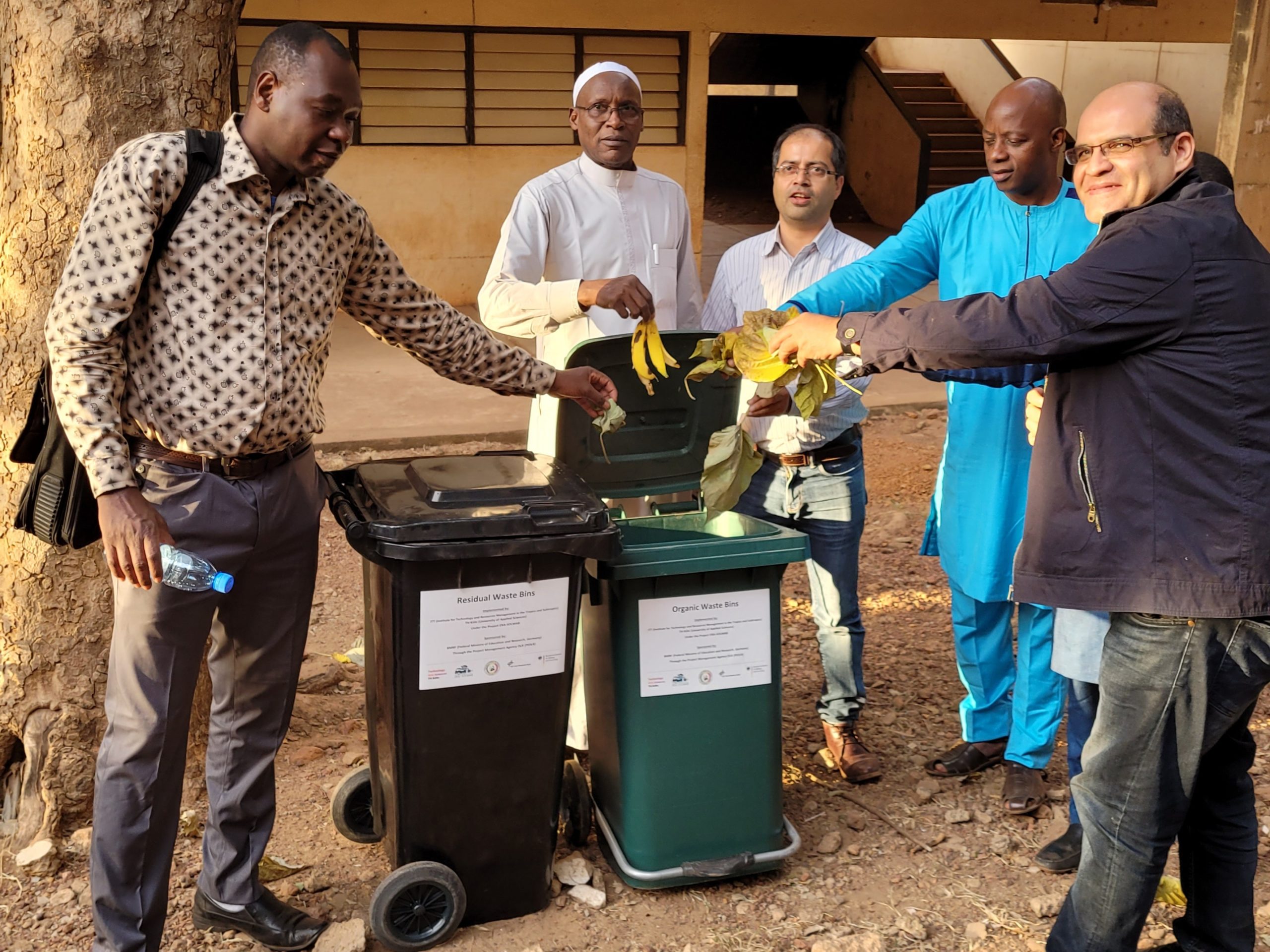
Installed waste bins in USTT-B
Partners
ITT
Contact: Prof. Dr. Ramchandra Bhandari
Website: https://www.th-koeln.de/
USTT-B
Contact : Prof. Dr. Issiaka Traore
Website: http://www.usttb.edu.ml/

UoT
Contact : Prof. Dr. Latifa Negadi
Website: https://www.univ-tlemcen.dz/

:metabolon Institut
Contact: Prof. Dr. Christian Wolf
Website: https://www.th-koeln.de/
ZEF
Contact : Prof. Dr. Christian Borgemeister
Website: https://www.zef.de/
FUNDED BY
Federal Ministry of Education and Research (BMBF)
Website: https://www.bmbf.de/
DLR Projektträger
Website: https://projekttraeger.dlr.de